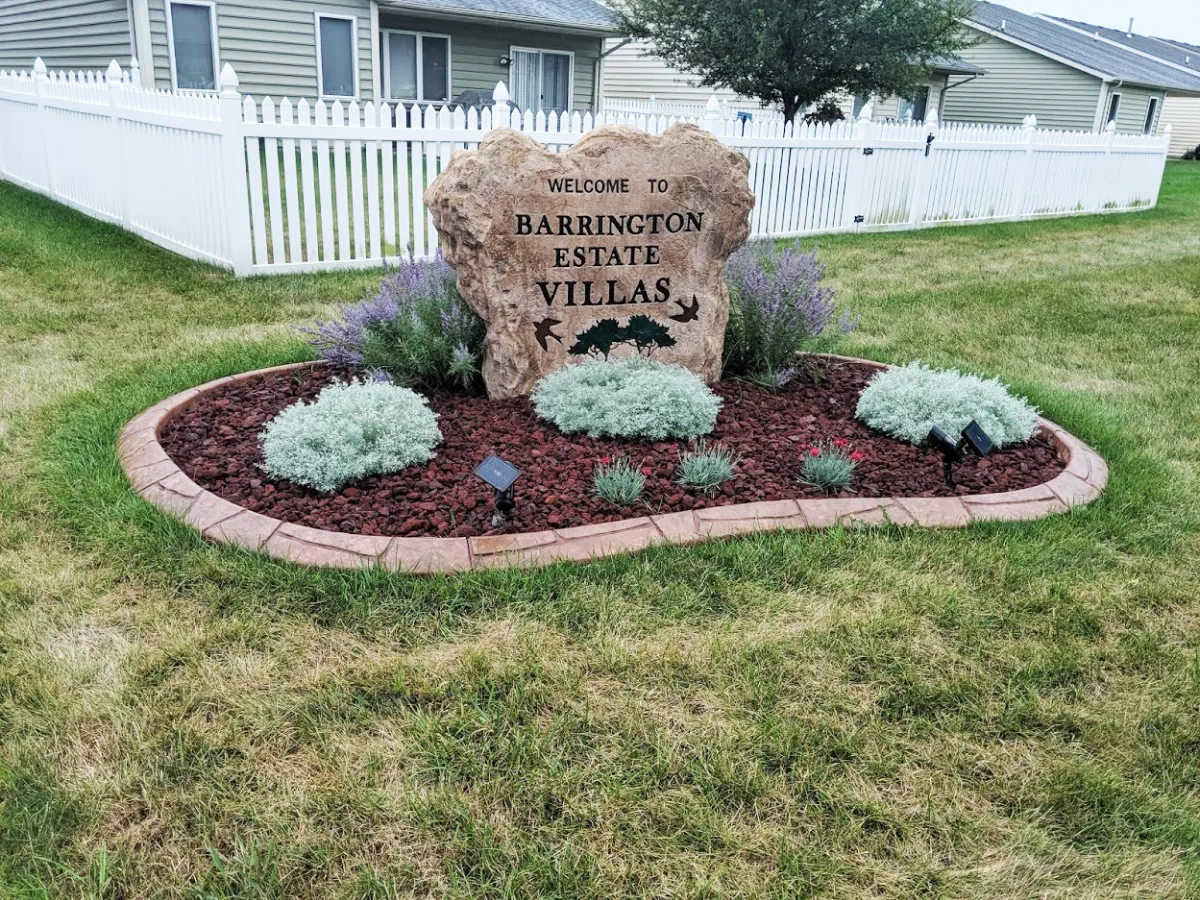
What Is Engraving? Understanding the Basics
Engraving is the process of cutting, carving, or etching a design into a hard surface. While the materials may vary, the goal is always the same: to create a permanent, visible mark that won’t wash off, fade, or peel.
Engraving can be applied to:
- Engineered stone
- Natural stone
- Metal
- Wood
- Glass
- Concrete
- Marble
- Acrylic
- Plastic
The design can range from simple lettering to detailed images, logos, and memorial inscriptions. Because it’s long-lasting and versatile, engraving is used across industries, everything from business signage to headstones to awards and plaques.
But what makes engraving different from printing, painting, or vinyl graphics? It comes down to durability and depth. Engraving physically removes material to create a recessed design. This cut-in surface holds up far longer than anything that sits on top of the material.
To understand how engraving works, we need to look at the variety of tools and techniques available today.
How Engraving Works: The Core Process
While each engraving technique is different, the general process follows these steps:
1. Preparing the Design
The first step is developing a design or layout. This may involve:
- Vector artwork
- Text and lettering
- Images or logos
- Custom drawings
- Digital renderings
Some engravers use Photoshop or CAD programs to create exact proofs before engraving begins.
2. Choosing the Technique
The next decision is selecting the appropriate engraving method for the material and purpose. This could be:
- Hand engraving
- Rotary engraving
- Sandblasting
- Laser engraving
- CNC engraving
Each technique cuts the material differently and produces a unique look.
3. Transferring the Design
Depending on the method, the design may be:
- Digitally programmed into a machine
- Hand-drawn onto the material
- Applied using stencils
- Guided by a template
4. Engraving the Material
This is where the carving or cutting happens. Tools such as chisels, rotary bits, lasers, or sandblasting systems remove material from the surface, creating depth and texture.
5. Finishing the Engraving
After the engraving is complete, the final step may include:
- Cleaning the recessed areas
- Adding color fill
- Sealing the surface
- Polishing or smoothing edges
Now that you understand the overall process, let’s explore the different engraving methods in detail.
Traditional Engraving Techniques
Engraving has come a long way, but traditional methods still hold an important place. These techniques rely on manual tools or mechanical cutting.
Hand Engraving
Hand engraving is one of the oldest and most skilled forms of engraving. Instead of using machines, the engraver uses metal tools called gravers or burins to carve the material.
Hand engraving offers:
- Deep, detailed cuts
- A unique, handcrafted look
- High precision when done by a trained craftsperson
However, it takes time and experience to master. While beautiful, hand engraving is less common for large outdoor signage or heavy-duty projects because it’s too labor-intensive.
Rotary Engraving
Rotary engraving uses a high-speed spinning cutter to carve material. It works similarly to a drill bit, removing material in a controlled pattern.
Rotary engraving is ideal for:
- Metal plates
- Plaques
- Plastic
- Wood
- Concrete
- Engineered stone
Because rotary bits come in different shapes and sizes, this method allows for varying levels of depth and detail. It’s commonly used for industrial tags, nameplates, and customizable commercial signage.
CNC Engraving
CNC engraving uses computer-controlled routers to cut detailed designs into material. This process is extremely precise and ideal for large or repeated patterns.
Benefits include:
- Perfect consistency
- Accurate depth
- Ability to engrave complex shapes
- Suitable for large-scale projects
CNC engraving is used in architectural work, commercial stone signage, and engineered stone projects where uniform detail is essential.
A Closer Look at Sandblasting
Sandblasting is one of the most popular methods for outdoor signage and stone-style designs. This technique uses high-pressure air to drive abrasive material (often sand or aluminum oxide) against the surface, carving out the design.
Sandblasting is ideal for:
- Engineered stone
- Natural stone
- Concrete
- Memorials
- Monument signs
- Golf course signage
- Address markers
Sandblasting stands out because it creates:
- A deep, uniform cut
- A clean and professional finish
- Designs that withstand weather and heavy use
Stencils are placed on the material to protect areas that shouldn’t be carved. The exposed areas are blasted until the engraving reaches the desired depth. Afterward, the recessed areas can be left natural or filled with durable color coatings.
How Does Laser Engraving Work?
Laser engraving is one of today’s most advanced engraving methods. It uses concentrated beams of light to vaporize or burn away material with extreme precision.
To understand how laser engraving works, imagine a pinpoint-accurate beam controlled by computer software. The laser moves quickly, heating and removing tiny amounts of material with each pass.
Laser engraving is perfect for:
- Marble
- Metal
- Wood
- Acrylic
- Epoxy
- Stone-like surfaces
- Tiles
- Glass
Laser engraving creates:
- Crisp lines
- Precise detail
- Photorealistic images
- Fast results
Because it doesn’t require physical tools, it’s less likely to chip or crack delicate materials. This makes it ideal for logos, lettering, intricate artwork, and detailed memorials.
Understanding Different Engraving Methods: Which One Should You Choose?
Not all engraving methods are the same, and each one serves a different purpose. Here’s a simple breakdown to help you choose the right engraving technique for your project.
1. For large outdoor monument signs
- Sandblasting
- CNC engraving
These methods provide durability, depth, and resistance to weather.
2. For memorials or headstones
- Sandblasting
- Laser engraving
- CNC engraving
These offer precision and lasting quality for custom headstones.
3. For decorative or indoor pieces
- Laser engraving
- Rotary engraving
- Hand engraving
Great for fine details and delicate surfaces.
4. For engineered stone projects
- Sandblasting
- CNC engraving
- Laser engraving (depending on the finish)
These methods integrate well with sealed, high-durability surfaces.
Materials Commonly Used in Engraving
Different materials require different engraving techniques. Here’s how they compare:
- Engineered Stone
- Works well with sandblasting, CNC, and engraving tools. Extremely durable. Ideal for commercial signage, address markers, memorials, and columns.
- Natural Stone
- Best with sandblasting. Offers a traditional, rustic look.
- Metal
- Best with laser engraving and rotary engraving. Good for plaques and industrial tags.
- Wood
- Laser engraving creates dark, crisp lines. Rotary tools can carve deeper cuts.
- Concrete
- Works well with sandblasting. Often used in commercial floor logos or exterior lettering.
- Glass & Acrylic
- Laser engraving is preferred. Creates frosted, precise designs.
Understanding material limitations helps ensure your engraving looks sharp, lasts, and performs well in the environment where it’s installed.
The Future of Engraving: Where Technology is Heading
Engraving continues to evolve as new tools and technology emerge. Laser systems are becoming more advanced, offering higher precision and faster speeds. CNC routers now allow detailed carving on large engineered stone structures without the need for heavy manual shaping. Even traditional sandblasting has improved with more durable stencils and better media control systems.
The future trends include:
- Hybrid engraving that blends laser and sandblast
- More eco-friendly blasting materials
- Digital templates that eliminate design errors
- New engineered materials designed for better engraving contrast
- Mobile engraving equipment for onsite work
These innovations continue to expand what’s possible, especially for large outdoor signage, custom memorials, and specialty projects.
Conclusion: Engraving Is Both an Art and a Science
Understanding how engraving works gives you a deeper appreciation for the craftsmanship behind every design. Whether created with a laser, CNC machine, rotary tool, or sandblasting system, engraving is a powerful way to make a mark that lasts. From fine details on small personal items to large custom signage built to withstand the elements, engraving remains one of the most reliable and versatile customization methods in the world.
If you’re interested in engraving for commercial signage, address stones, memorials, or custom projects, choosing the right technique and material is the key to creating something beautiful and permanent.
At Boulder Designs by Terracon, LLC, we provide full engraving services on engineered stone, concrete, marble, natural boulders, and other permanent materials. Our mobile equipment lets us engrave onsite when needed, and every project includes a custom design proof so you can see exactly how your engraving will look before we begin. Our products come with a lifetime warranty against crumbling and disintegration, and we stand by our workmanship with fast, dependable service. If you’re ready to turn your ideas into a lasting design, we’re here to help with customized solutions made to last.